Read with Claude
 Read with ChatGPT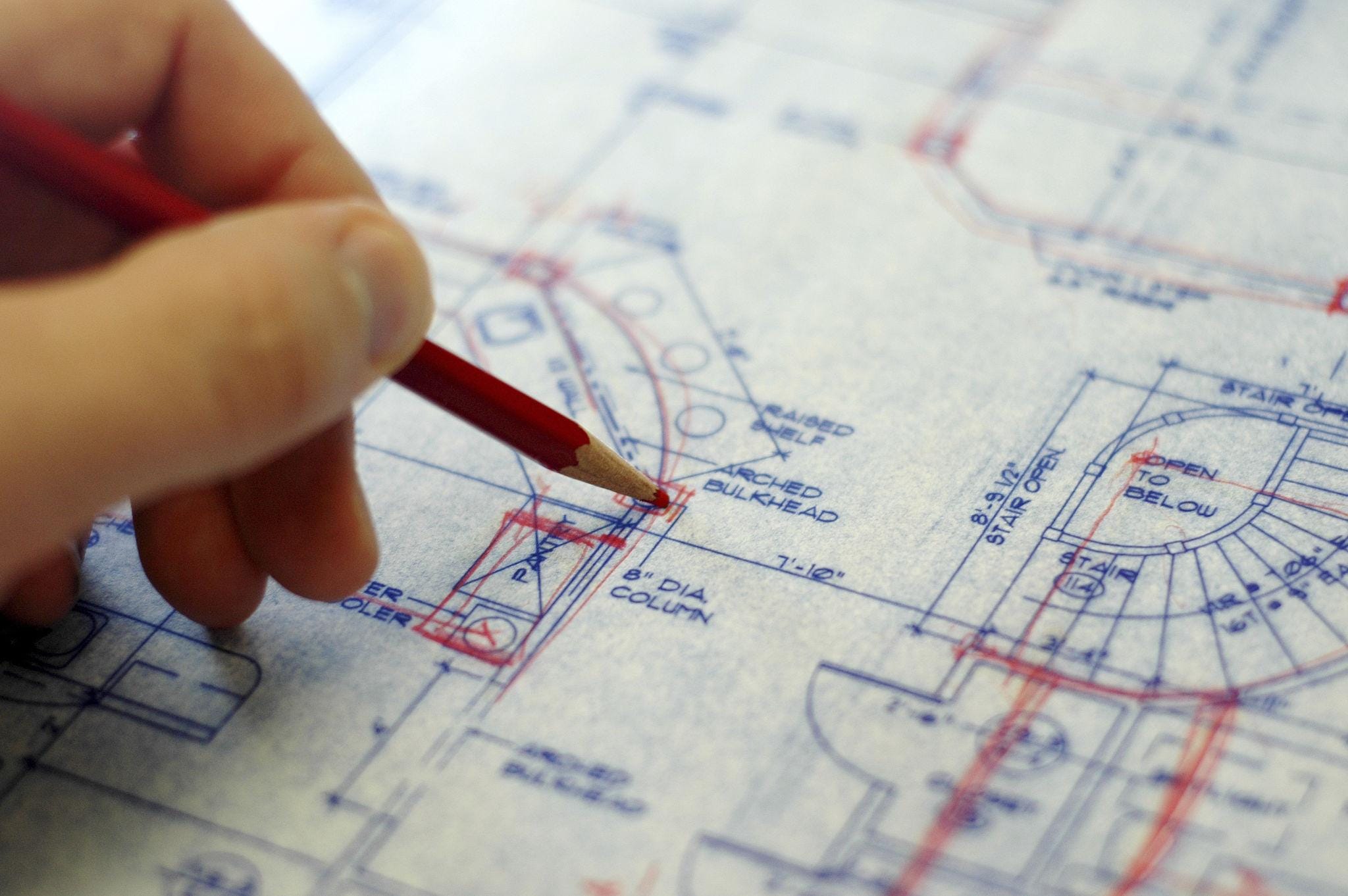
Manufacturing companies already possess large amounts of engineering knowledge. The difficulty is that most of this knowledge exists in forms that software systems cannot easily work with.
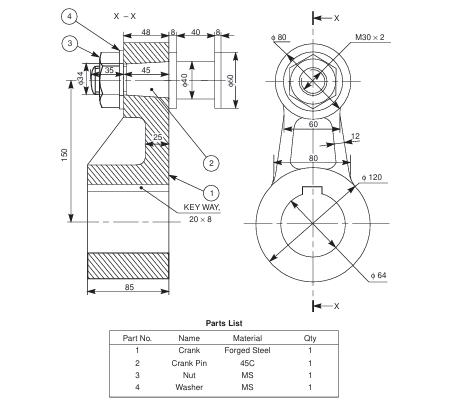
Engineering information lives inside fabrication drawings, P&IDs, assembly sheets, BOMs, inspection reports, vendor documents, tolerance notes, revision histories, and handwritten markups. These documents contain relationships that engineers understand naturally because they work with them every day. A dimension relates to a tolerance standard. A tolerance standard affects quality inspection. A material specification influences procurement decisions. A revision note changes downstream manufacturing processes.
Very little of this exists as connected operational understanding inside software systems.
Most enterprise systems still treat engineering documents as files. Engineers, on the other hand, treat them as living operational knowledge. That difference matters more as AI systems become part of manufacturing workflows.
Why Traditional Enterprise Systems Struggle With Engineering Context
Enterprise software solved many important problems over the past few decades.
- ERP systems improved operational coordination.
- PLM systems organized product data.
- Document management systems centralized engineering files.
- Manufacturing execution systems connected production workflows.
These systems brought structure to manufacturing operations, but they were largely designed around structured records and predefined workflows.
Engineering information rarely behaves that way.
A vendor drawing may contain handwritten notes that override a standard specification. A fabrication package may reference dimensions spread across multiple sheets. A revision cloud on a PDF may affect procurement, inspection, and assembly simultaneously. Much of the operational meaning exists in relationships across documents rather than within isolated records.
Earlier knowledge graph systems attempted to model these relationships through schemas and metadata. The idea was valuable because it recognized that relationships matter. The challenge was that engineering environments evolve continuously. Suppliers use different formats. Standards vary across industries. Drawings change across revisions. New dependencies emerge during production.
Maintaining these relationships manually becomes difficult at scale.
As a result, much of manufacturing still depends on engineers acting as the context layer between disconnected systems.
AI Systems Need More Than Retrieval
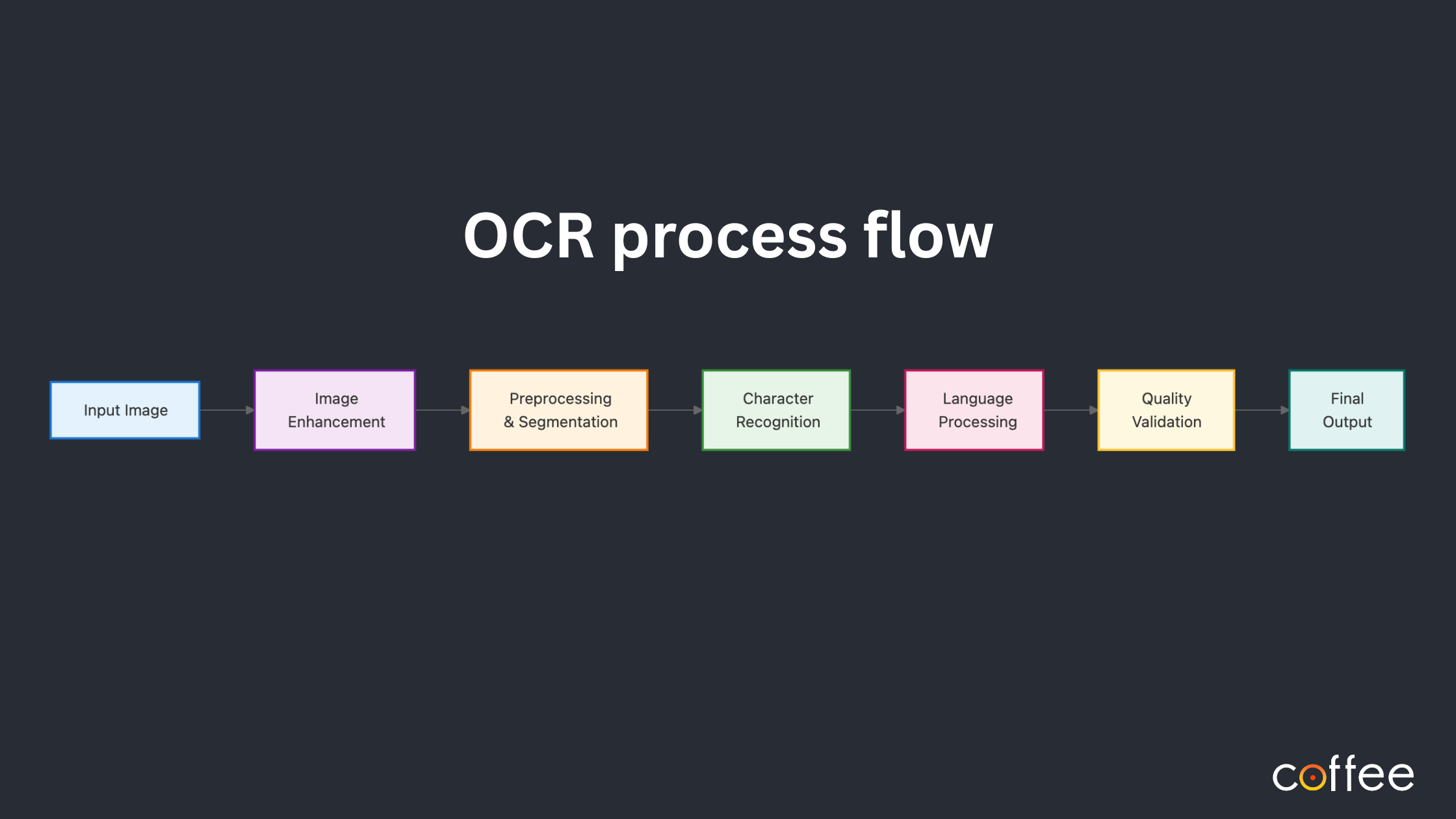
Recent advances in AI have made document extraction significantly more capable. Modern models can read PDFs, summarize documents, identify entities, and answer questions across large collections of files.
This creates the impression that manufacturing intelligence is primarily a retrieval problem.
In practice, engineering workflows require something deeper than retrieval.
An AI system extracting a valve specification from a drawing is useful. An AI system understanding whether that specification belongs to the latest revision, whether it conflicts with supplier constraints, and whether it affects downstream assembly becomes operationally valuable.
Most failures in manufacturing AI do not come from an inability to read documents. They come from incomplete operational understanding. A system may identify a component correctly and still produce unreliable outputs because it lacks awareness of revision lineage, supplier exceptions, assembly dependencies, or downstream manufacturing implications.
Engineers compensate for this gap constantly. They compare revisions manually, validate specifications across systems, and interpret relationships between disconnected documents.
Much of manufacturing coordination still depends on human memory and experience because software systems struggle to represent engineering relationships dynamically.
As AI systems become more integrated into manufacturing operations, context becomes increasingly important infrastructure.
Engineering Documents as Operational Memory
Engineering documents contain years of accumulated operational knowledge.
A fabrication drawing captures manufacturing intent.
A quality report reflects production outcomes.
A vendor specification records supplier constraints.
A revision history documents design evolution.
Over time, these documents become a form of institutional memory. The difficulty is that most of this memory remains trapped inside formats designed primarily for human interpretation.
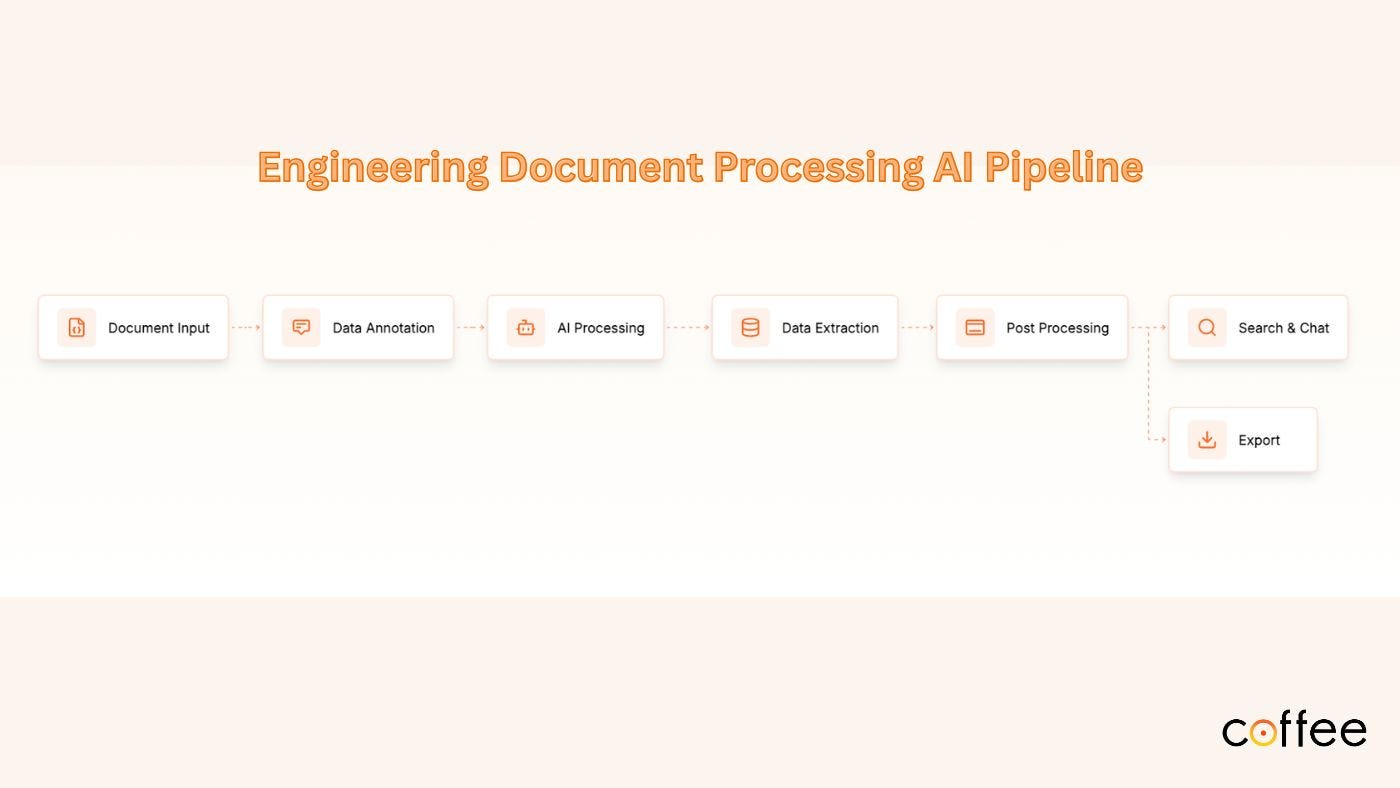
When AI processes engineering documents, it should identify entities, relationships, hierarchies, revisions, dependencies, and engineering semantics across workflows.
A dimension is connected to a component.
A component belongs to an assembly.
An assembly relates to manufacturing processes.
Manufacturing processes connect to procurement, quality, and production systems.
The aim is not simply to digitize engineering files. The aim is to build connected operational understanding around engineering information.
Once this context exists, engineering data becomes significantly more usable across systems and workflows.
Building the Infrastructure for Engineering Intelligence
Manufacturing companies are entering a phase where engineering context becomes foundational infrastructure for AI systems.
The long term value does not come from adding another interface on top of documents. It comes from building systems capable of understanding how engineering information connects across workflows, revisions, suppliers, manufacturing processes, and operational decisions.
The goal is to transform engineering documents into connected operational intelligence that engineering teams and AI systems can work with together.
As AI becomes more integrated into manufacturing workflows, the ability to structure and understand engineering context will become increasingly important.
If you are interested in Adeos, the Agentic Document Intelligence tool to build context from engineering drawings for your end-to-end organization workflow, reach out to us at coffee@coffeeinc.in.