Read with Claude
 Read with ChatGPT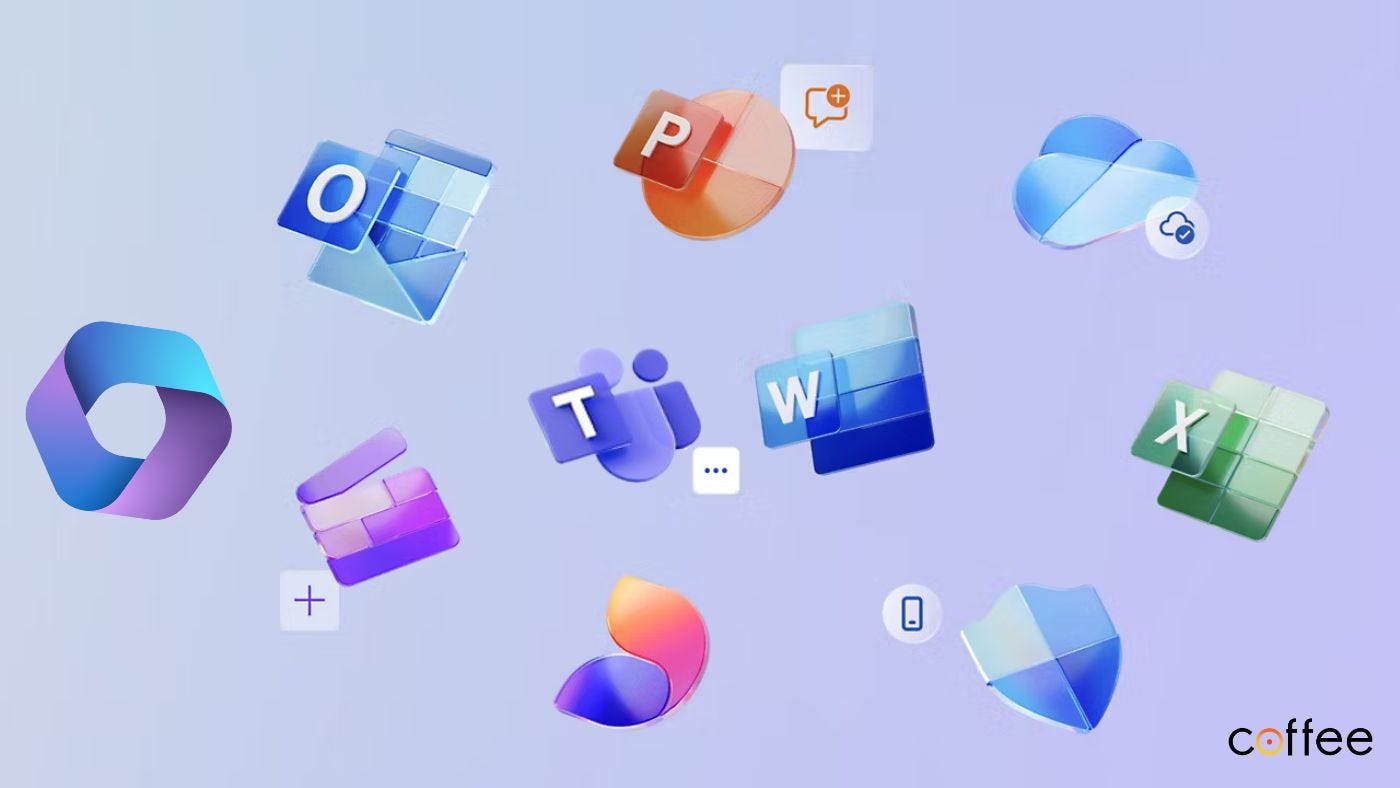
Missed deadlines. Endless email chains. Files no one could find. Teams repeating the same conversations. Document version conflicts.
Sound familiar?
An engineering firm came to us with the very same situation. At first glance, they had everything in place: an experienced team, modern systems, and ambitious goals. But the day-to-day reality told a different story.
Project tracking lived in disjointed files. Communication happened across scattered channels: WhatsApp, calls, long email threads. Teams spent far too much time looking for information. Critical documents were duplicated multiple times as they moved through the project lifecycle.
These were not isolated pain points. They indicated deeper structural gaps: issues with how people collaborated, shared information, and executed their work.
What was needed was more than a tool upgrade, it called for a restructure of the way of working and that is where the Microsoft 365 suite of tools came in.
Microsoft 365 Suite (Integrated by Coffee)
Rather than opting for a custom built solution right from the start, we chose to implement Microsoft 365 across the organization, making use of a range of tools in each phase.
The Implementation: A Phased and Practical Approach
We adopted a phased rollout strategy so that users could be onboarded slowing and disruption was minimized across the EPC organization. This built user confidence over time as they gradually got a grasp of the system. This approach, supported by change management and training programs, proved essential to the initiative’s success.
Each phase targeted a specific bottleneck, starting small, learning fast, and building momentum as confidence grew. It also took into account legacy data not part of the system and handled the process of migration.
Phase 1: Simplify the Basics
The implementation began with establishing core communication. Instead of fragmented messages across platforms, structured digital spaces were set up where projects, departments, and updates lived in one place.
What changed: Time spent managing communication dropped. Document quality improved. People started working from the same playbook.
Phase 2: Bring Documents Under Control
Scattered file systems were replaced with a centralized hub where documents could be easily found, versioned, and collaboratively edited with cloud online. Key features included structured folder hierarchies mirroring project organization, automated workflows for document approval, and granular permission controls.
What changed: Document search time shrank from minutes to seconds. Teams worked on the right version, every time. Delays caused by file confusion disappeared.
Phase 3: Track What Matters
Project visibility was the next frontier. A unified task and progress-tracking layer was introduced, giving teams a clear view of what needed to be done, by whom, and by when. Notification and reminders were sent to stakeholders of assigned tasks.
What changed: Oversight improved. Deadlines became more predictable. Workload was distributed more fairly and transparently.
Phase 4: Automate the Repetitive
With clarity in place, the focus shifted to reducing manual effort. Routine approvals, updates, and data movements were automated to give people back their time.
What changed: Processes moved faster. Repetitive admin work dropped. Teams could focus on high-value tasks.
Phase 5: Optimize and Scale
The final phase concentrated on optimizing integrations, providing advanced user training, and establishing performance monitoring. This stage also allowed us to identify opportunities for custom integrations and extensions.
Where gaps existed, whether in reporting, workflows, or field-specific requirements, we designed and built enhancements to close them. These additions ensured the system could adapt to the organization’s evolving operational model rather than limit it.
What changed: The platform became more intuitive. Support requests dropped. Adoption rates rose. The system became part of how people naturally worked.
A Playbook for Any Organization
This story is not unique to one industry or one platform. It is relevant for any organization feeling the drag of disconnected systems and scattered workflows. The lesson is simple: real transformation is less about choosing the perfect tool and more about rethinking how people collaborate, how information flows, and how work gets done.
When the foundation is right, everything else follows: faster execution, stronger culture, and more time for the work that truly matters.
If your organization is still held back by operational clutter, maybe it is time to step back, reassess, and start integrating the systems that support the way your teams actually work.
Conclusion: From Workarounds to Work That Works
This implementation was not just a rollout of new software, it was a reset of how work happens. By addressing the deeper inefficiencies hidden in everyday routines, the organization moved from reactive firefighting to proactive execution. Communication became clearer. Documents became findable. Deadlines became manageable. And teams finally had the space to do meaningful work.
The real success was not in the technology itself, but in how it was introduced: with clarity, structure, and a focus on adoption, not just deployment.
Whether you are in engineering, finance, healthcare, or any other sector, the takeaway is universal: sustainable change comes from aligning tools with behavior, systems with workflows, and strategy with the real needs of your people.
Transformation is not a one-time project. It is a mindset, one that recognizes that better work is not about doing more, but doing what matters, better.
Still facing trouble (re-)setting your internal organization workflow? At Coffee, we help teams move faster by automating their internal processes, eliminating repetitive tasks and bringing structure to everyday operations.
Reach out to us to automate your next workflow with Microsoft 365 or explore how we can help across your internal operations.