Read with Claude
 Read with ChatGPT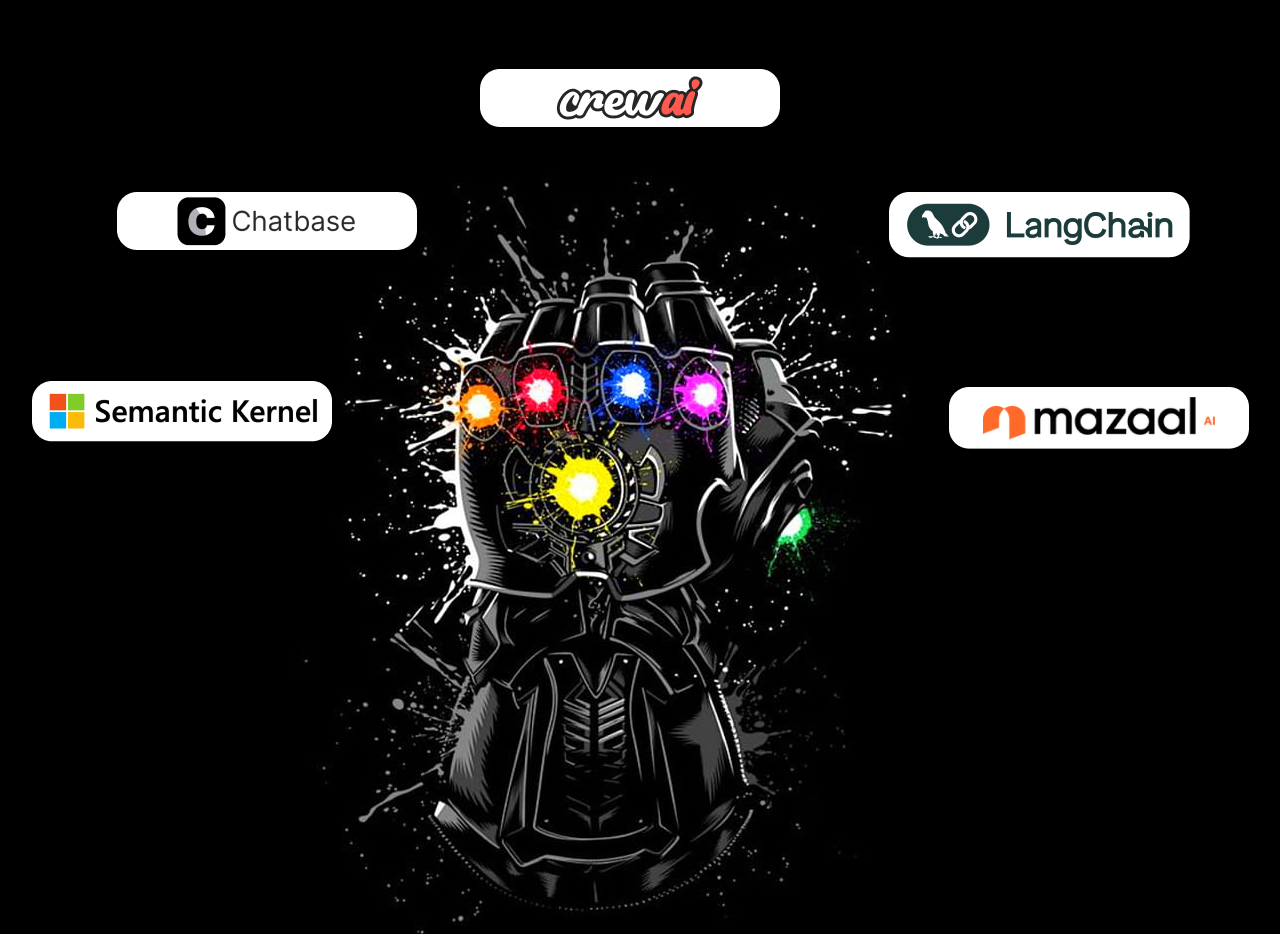
Visualize a workplace where intelligent digital assistants collaborate with you autonomously handling tasks and amplify your productivity. This isn’t science fiction, it is the vision laid out by NVIDIA’s CEO, Jensen Huang, who predicts a future where:
“In a lot of ways, the IT department of every company is going to be the HR department of AI agents in the future”
These AI agents are geared up to be your essential colleagues, require onboarding, training and governance similar to new recruit. This will bring in paradigm shift in roles of IT and HR departments.
- IT teams will take on HR-like responsibilities, such as onboarding and training AI agents with company-specific knowledge much like managing software. Tools like NVIDIA NeMo are emerging to streamline the onboarding process, mirroring that of human employees.
- HR teams should gain a deeper understanding of AI technology to integrate AI agents effectively, align them with the company’s needs, and assess their impact on human employees.
This collaboration would enable the effective management of both human and digital workers while driving efficiency and alignment across the company.
But what exactly are these agents, and how will they reshape the way we work? Let’s dive deeper.
Understanding AI Agents
Human agents work as spies, negotiators, or detectives, always gathering information, analyzing situations, and then taking action based on what they’ve learned. Similarly, AI agents collect, process the data to make decisions. They are designed to be goal-oriented and can interact with data and tools to accomplish tasks.
For example, when you ask, “Can you get me the latest best-selling book?” the AI agent comes into play since underlying LLM doesn’t have access to the most recent data. Utilizing integrated tools, the agent connects with Google Search or other internet search tool through an API, retrieves the latest search results, and augments its response with up-to-date information, ensuring you receive accurate and timely answers_._
Sarthak sharma on LinkedIn: Build LLM Agent using Python
How AI Agents Evolve Beyond Language Models
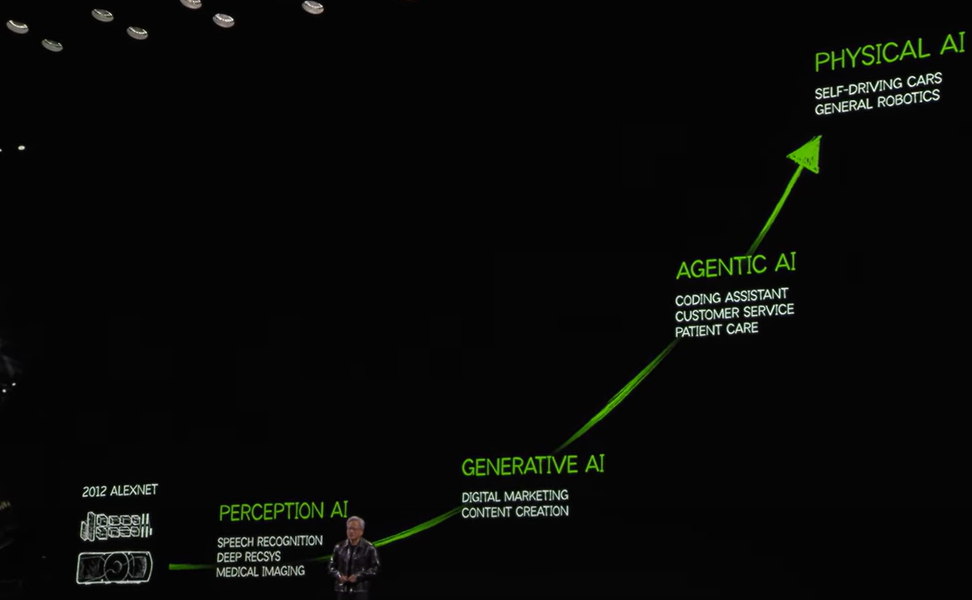
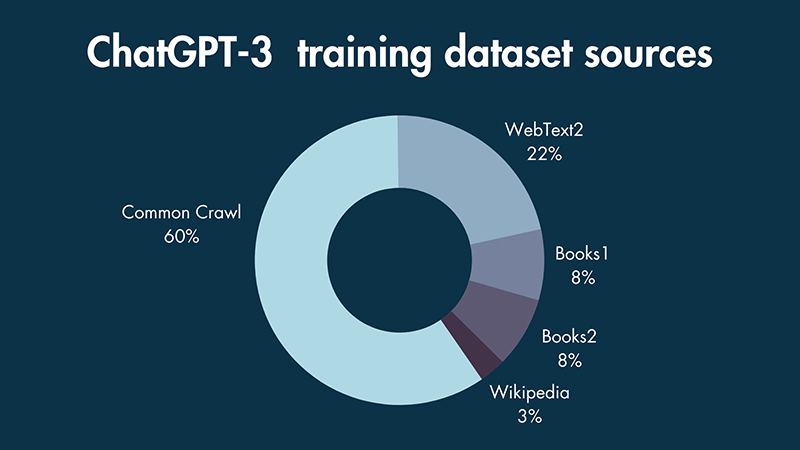
Large Language Models (LLMs), a subset of generative AI, are trained on a large amount of data, providing static knowledge that doesn’t update in real time, to generate responses based on input prompts.
For example, consider a virtual assistant designed to help manage your daily tasks
- Role: Understands and processes your natural language requests.
- Function: When you say, “Schedule a meeting with Professor Smith next Tuesday,” the LLM interprets the intent and details of the request.
AI agents, however, go beyond by combining LLM capabilities with automation tools to perform complex tasks and make decisions. Unlike LLMs, agents adapt, learn, and evolve, making them more dynamic and versatile.
- Role: Executes the scheduling task autonomously.
- Function: Connects to your calendar, finds an available time slot, sends an invitation to Professor Smith, and confirms the meeting without further input.
In this scenario, the LLM handles the language understanding and generation, while the AI Agent takes the initiative to perform the task based on the request.
Agent Frameworks
AI Agent Frameworks are like toolkits that help create intelligent systems more easily. Instead of building everything from scratch, these frameworks provide ready-made components and tools to speed up the development process. Frameworks help you focus on building features making AI development faster and efficient.
Here are some agent frameworks:
- Chat base helps you create and deploy chatbots and AI assistants. AI agents are trained on specific information so the chatbots can provide accurate responses.
- LangChain is an open source framework for building LLM-powered applications.
- CrewAI is a framework that allows you to orchestrate multiple role-playing agents or team of agents that can collaborate on a task.
- AutoGen is useful for creating systems where AI agents and humans collaborate to complete a task.
- Langflow is a low-code platform that allows you to visually design workflows for your AI agents by simply dragging and dropping elements.
- Mazaal AI is a platform focused on AI-driven task automation, enabling users to create custom AI solutions without requiring extensive technical knowledge.
Use case: Completing Data Analysis with Insufficient Data
What if your Excel sheet/dataset doesn’t have enough data for a complete analysis? This is where AI agents step in to save the day.
One agent analyzes your dataset like a skilled data analyst, identifying gaps and generating insights. Meanwhile, another agent scours the web to find the missing data points, filling in the blanks and completing the analysis. Together, they ensure your results are accurate, detailed, and actionable, turning an incomplete dataset into a valuable resource.
Use case: Keeping LLMs Relevant in an Ever-Changing World
How can we ensure that the information LLMs use stays up-to-date when new knowledge keeps evolving on day to day basis?
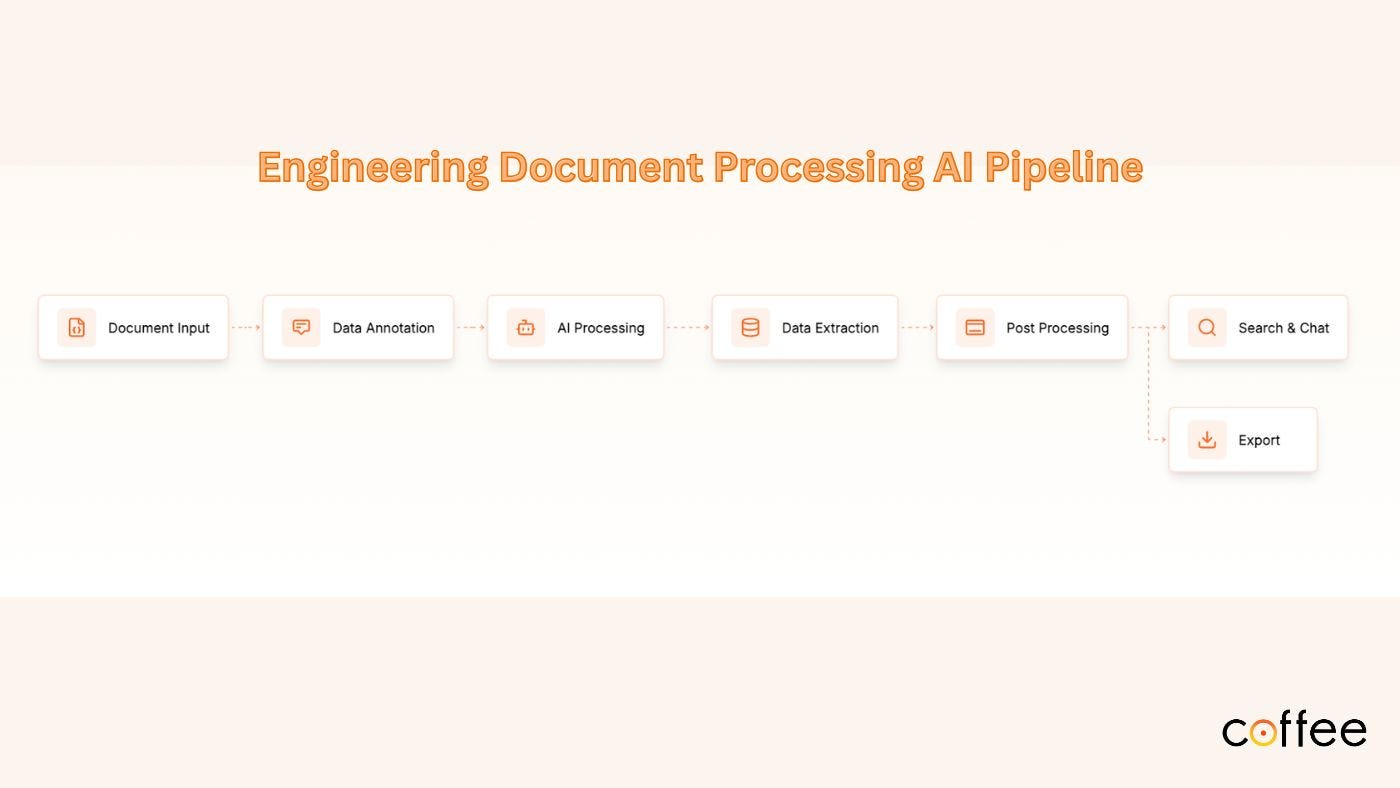
This example does exactly that! One agent dives into a PDF to pinpoint the important stuff, and another who dashes onto the web to collect recent/ updated details and then both team up to deliver a thorough answer to your question. It’s like having your own mini-research team working behind the scenes.
Conclusion
AI agents are transforming how you work by combining the knowledge of LLMs with tools to handle tasks, adapt to new data, and collaborate with you. They simplify your workflows, boost productivity, and shape a smarter, more efficient future while challenging traditional human-technology relationships.
So, here’s a question for you:
How does involving the user in decision-making enhance the effectiveness and personalization of AI agents’ responses?
Let me know your thoughts in the comments below. I would love to have a discussion on where AI agents will lead us esp. if we work hand in hand with our machine counterparts.