Read with Claude
 Read with ChatGPT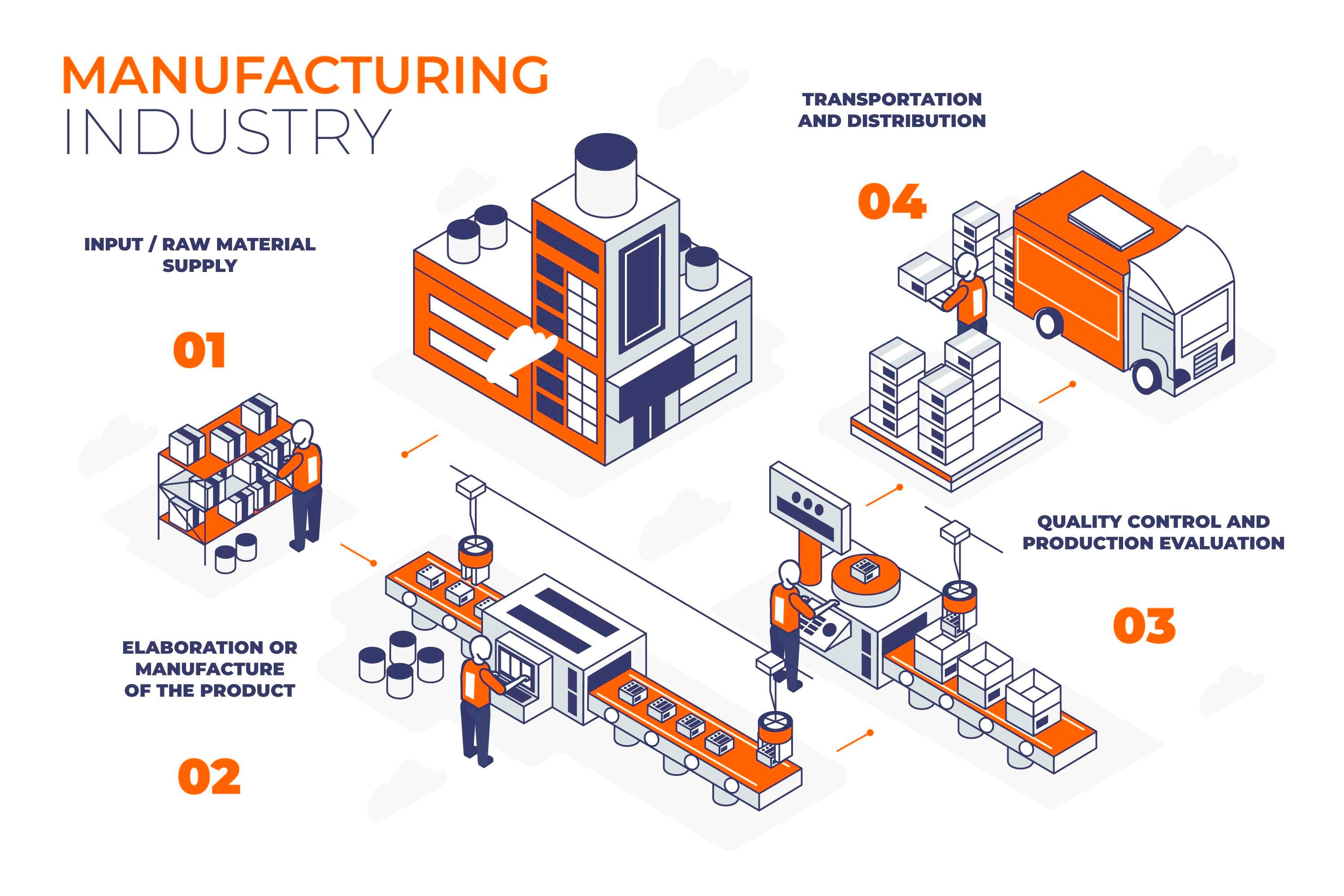
Manufacturing Process
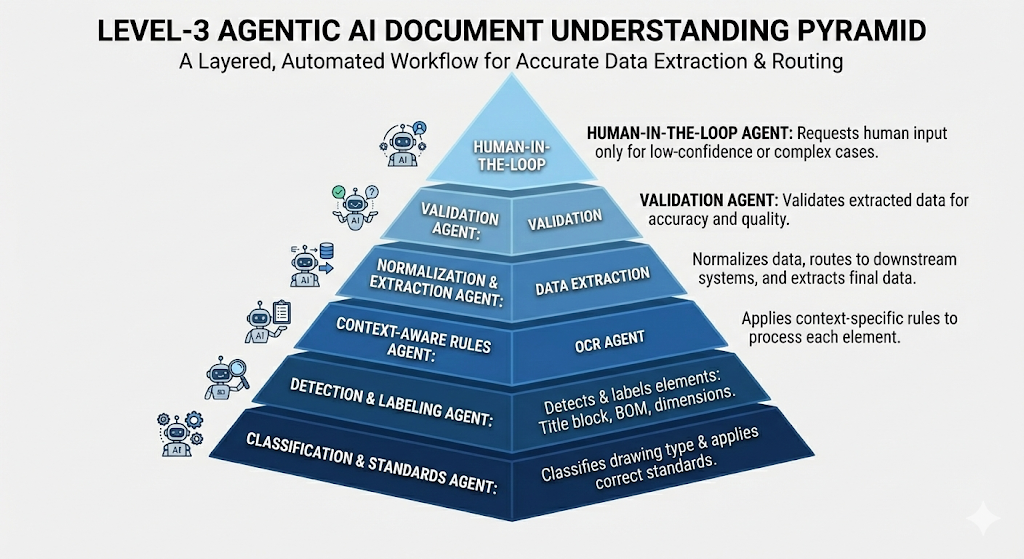
Manufacturing organizations do not have a data problem. They have a distribution problem. The dimensions, tolerances, material callouts, part numbers, and BOM entries exist in engineering drawings from the moment they are released. What does not exist is a system that reads that data once and makes it available to every downstream process that depends on it.
Instead, what most organizations have is a chain of manual re-entry. Engineering releases a drawing. Procurement reads the title block and manually keys part numbers and material specifications into the ERP. Quality opens the same PDF, zooms into each view, and transcribes dimensional tolerances into their inspection plan or CMM program. Manufacturing pulls its own notes. Each department is working from the same source, but each department is doing its own extraction.
The inefficiency is well understood. The revision problem is where things break badly. When a tolerance changes in a mid-cycle ECR, the drawing updates. Whether procurement, quality, and manufacturing each catch that change and update their respective records is left to email threads, change notifications, and manual follow-through. Some organizations manage this carefully. Most do not manage it perfectly.
Adeos is built around a single principle: structure the data once, at the document level, and distribute it to every process that needs it.
What Adeos Extracts and Why It Matters
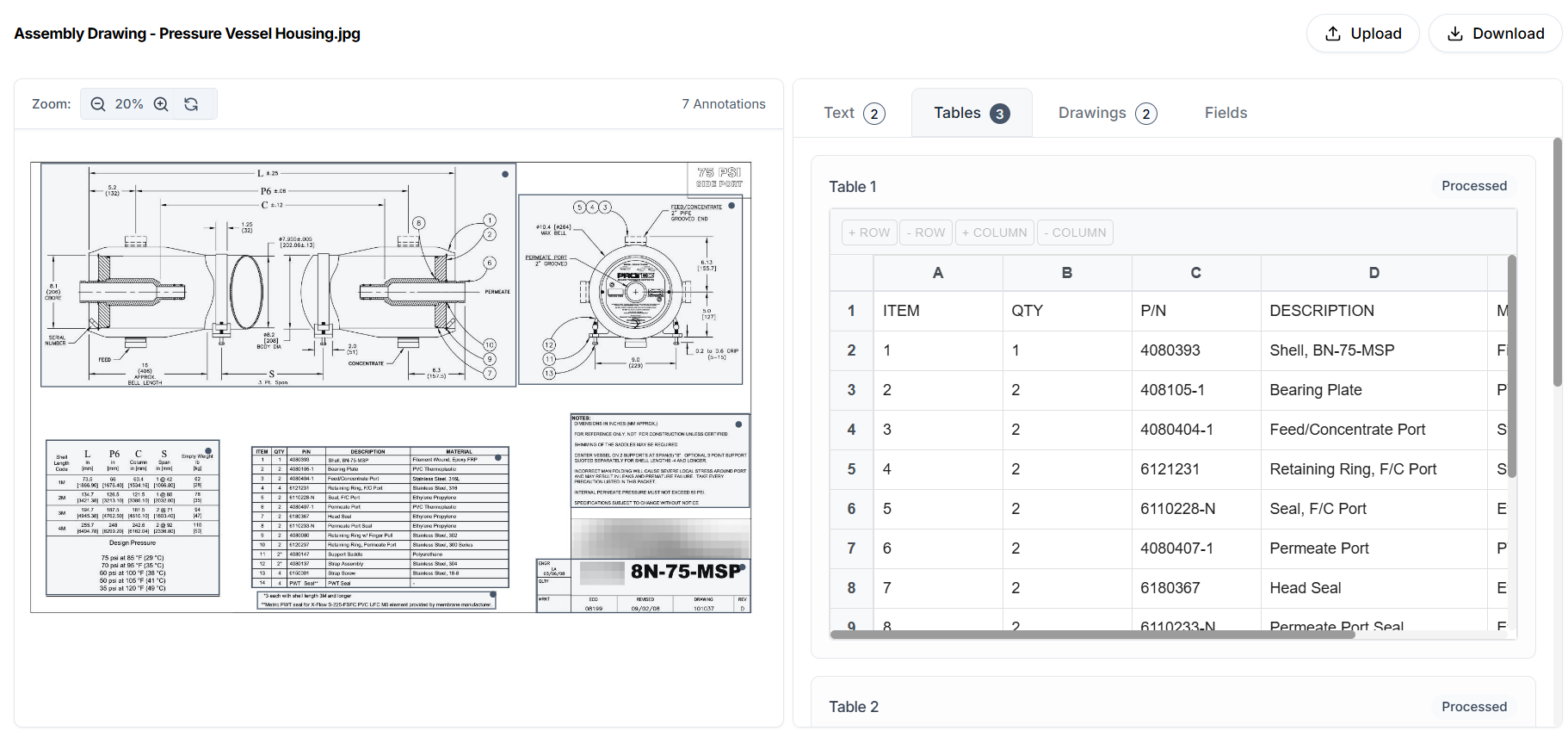
The extraction itself is not new. Title block data, revision status, material specifications, GD&T callouts, dimensional annotations, and BOM entries are all machine-readable given sufficient model training on engineering drawing formats. What matters is what happens to that structured data after extraction.
ADEOS does not produce a static export. It maintains a live link between the structured data and the source drawing. When the drawing is revised, the structured data updates. When the structured data updates, every module connected to it reflects that change.
This is the architectural difference between document intelligence as a departmental utility and document intelligence as an organizational capability.
Engineering and Design
For engineering teams, the immediate value is in legacy digitization and drawing reuse. Most organizations carry years of drawings in non-searchable formats. Adeos structures that historical data so engineers can search by part number, material, tolerance band, or feature type rather than manually hunting through archives.
More directly useful is the automated title block extraction and revision tracking. When a drawing enters the system, its metadata is captured and versioned. Design teams can compare revisions programmatically rather than diffing PDFs by eye. Auto-ballooning links each GD&T callout to a structured, editable table, so engineering documentation that would otherwise require manual annotation is generated as a byproduct of the extraction process.
ECR workflows are where this pays off at scale. When a drawing revision occurs, Adeos identifies which downstream records reference the changed data and triggers notifications automatically. Engineering does not need to manually communicate what changed. The system does it because it knows the dependency map.
Procurement
Procurement teams using Adeos do not receive PDFs with part numbers they have to key into the ERP. They receive structured parts lists generated directly from the drawing or vendor documentation, formatted for ERP import. The material specification that engineering defined is the specification procurement sources against. There is no transcription layer between them.
Vendor documentation creates a parallel challenge. Vendor drawings often arrive in inconsistent formats, with varying title block conventions and annotation styles. Adeos normalizes these into structured records that align with internal item catalogs and vendor master data. When a vendor updates a component drawing, the structured data reflects the change and procurement has visibility into what the update affects.
The procurement workflow in Adeos covers the full cycle from purchase request through goods receipt, but the underlying value is that every step in that cycle references specifications extracted directly from source documents rather than data entered manually at some earlier point.
Quality
Quality teams extract the most direct operational value from document-level GD&T and dimensional data. CMM programs require precise tolerance inputs. Inspection plans need to reflect current design intent. Both have traditionally required a quality engineer to open the drawing, locate the relevant views, read the callouts, and manually transcribe values into inspection software.
Adeos eliminates that step. Dimensional and GD&T data extracted from the drawing is available for direct use in CMM programming and inspection plan generation. When a drawing revision changes a critical tolerance, the updated value is visible in the quality module before an inspection plan based on the old value is used in production.
Compliance documentation is a secondary benefit that compounds over time. Audit trails that trace inspection records back to specific drawing revisions and BOM entries, through non-conformance reports to corrective actions, are built as a structural output of the system rather than assembled retroactively when an auditor asks for them.
Where the System Pays for Itself
The clearest return is in change propagation. A tolerance update that previously required engineering to issue a revised drawing, procurement to update the ERP, and quality to reprogram their CMM, with each step dependent on someone noticing and acting, now flows from a single document revision. The structured data updates. The connected modules reflect the change. Departments are notified rather than expected to monitor.
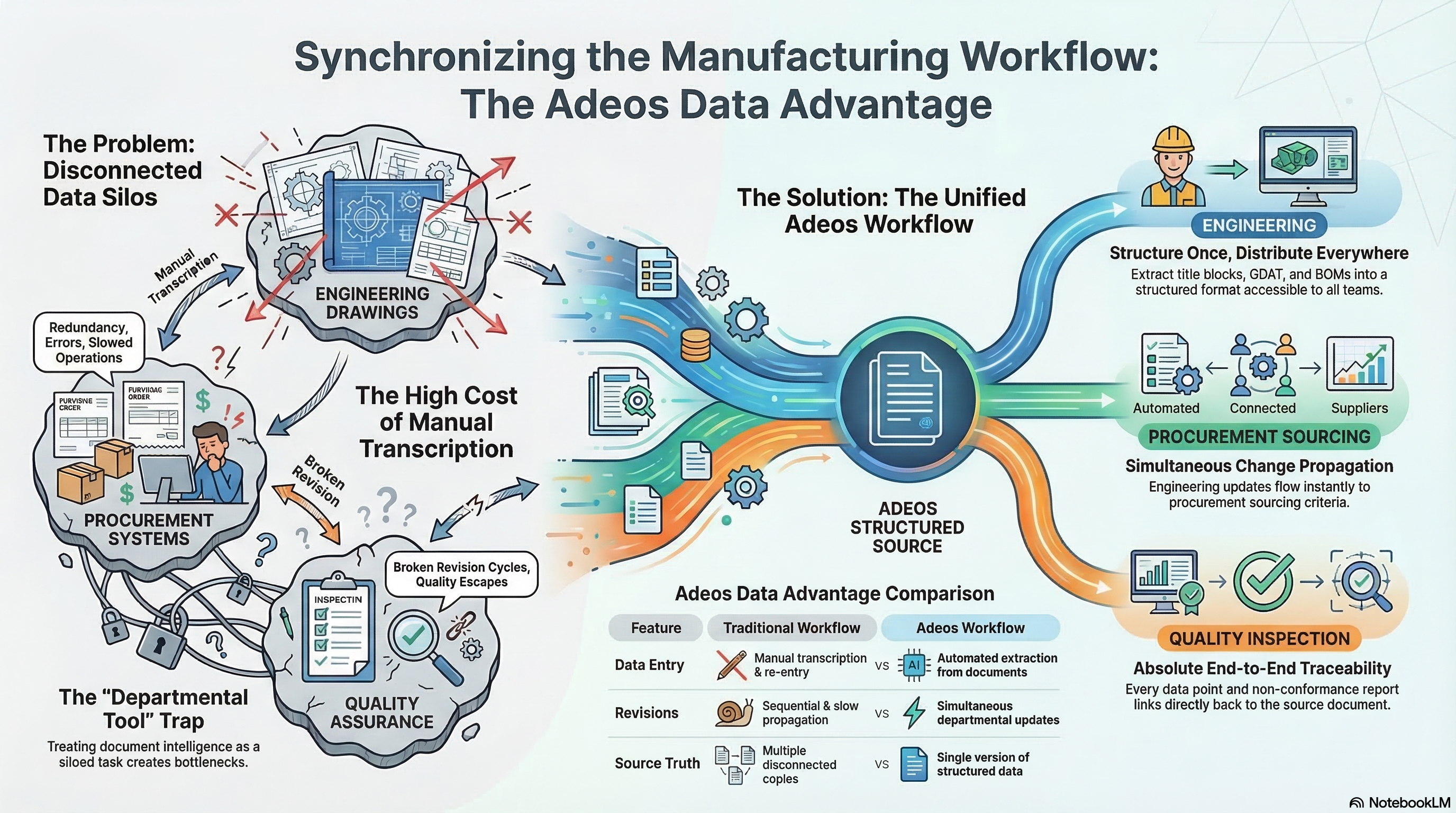
The less visible return is in error elimination. When every department works from the same structured data rather than their own extracted copy, version mismatches stop being a recurring failure mode. Procurement does not source a component against a specification that quality revised two weeks ago without telling them. Quality does not inspect against tolerances that engineering tightened in the latest revision. The organization has one version of technical truth, and it lives in the document.
Building on the Platform
ADEOS is not a closed application. Organizations can build modules against the structured data layer to align with workflows that vary by site, product line, or industry requirement. A quality module might connect with SPC software to link inspection results with drawing specifications in real time. An engineering change module might trigger project management notifications when a revision impacts a milestone. A procurement module might sync with an existing ERP rather than replacing it.
The foundation is consistent across all of these: structured data extracted from technical documents, maintained with traceability back to the source drawing, and updated automatically when revisions occur.
Manufacturing organizations already have the data they need to run their processes well. Adeos makes it work across the organization rather than just within each department.
If you are interested in Adeos, the Agentic Document Intelligence tool to extract key information from engineering drawings for your end-to-end organization workflow, reach out to us at coffee@coffeeinc.in.