Read with Claude
 Read with ChatGPT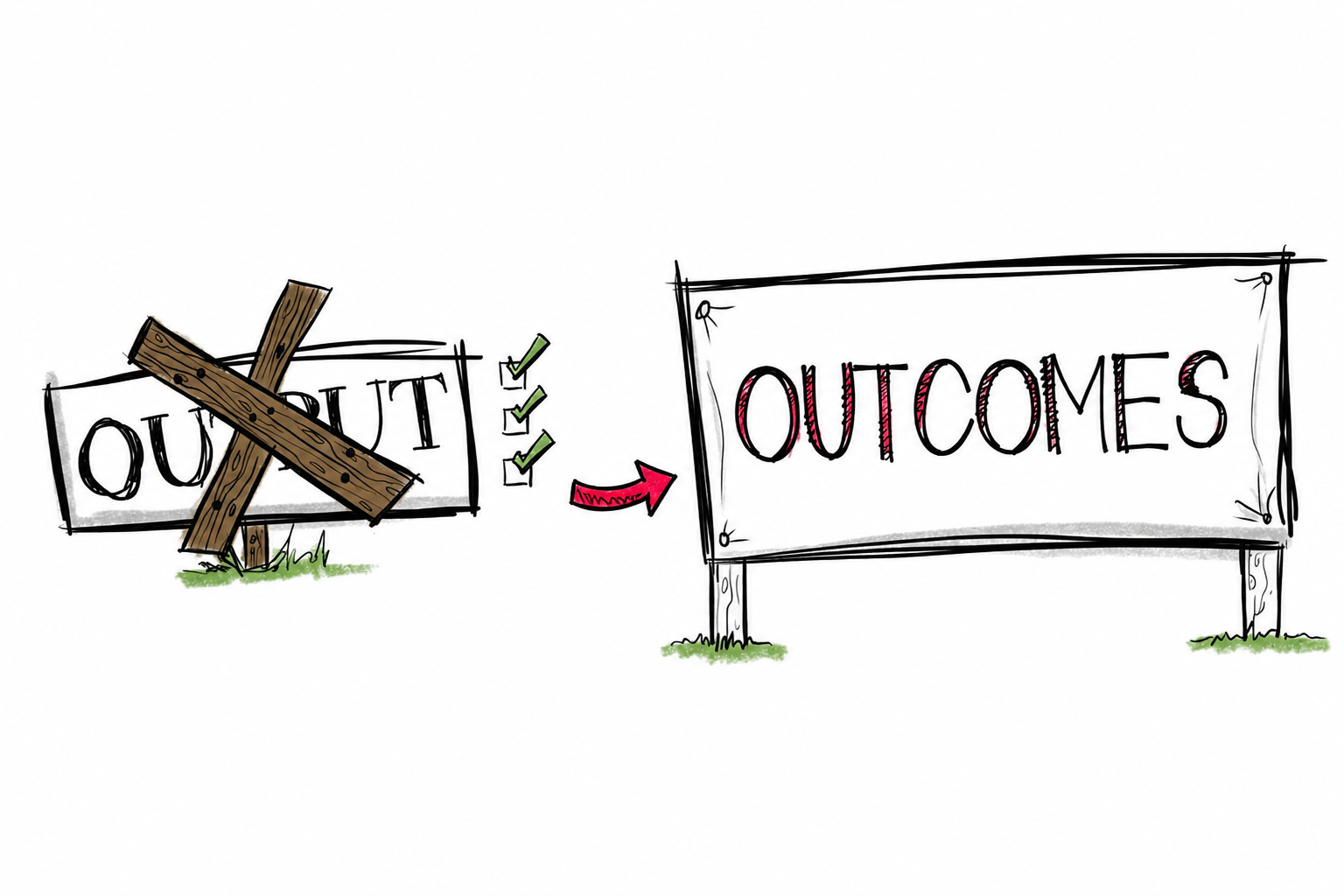
When I was new to work, I was mostly focused on the what was right in front of me. I had a set of tasks to finish each day, and my goal was to get through them. I researched and gave my all to complete them. Some tasks made me feel confused and I felt like I needed some more clarity on it, but I never asked. I thought I needed to figure things out on my own. In some cases, I would be asked to hold on for the moment and I just followed what I was told.
But over time, something changed. As I worked through more projects, I started seeing how one task connected to another, how my work affected what someone else would do next, and why some things needed to happen before others. I also became more comfortable asking questions when I needed more clarity. This changed how I planned my day and I was able to predict what tasks were coming next.
So, with every task I take up, I am now able to see the bigger picture and understand what I can influence. I started taking responsibility for the outcome of the work.
When to act and when to wait?
As my responsibility grew, I realised that not every task that looks important needs to be acted on immediately.
There are times when something needs my attention right away and need to be addressed immediately. A client may report an issue that is blocking them and other users from working. In that situation, waiting only makes the problem bigger. I need to bring it to the team, get the fix deployed and tested, and keep the client updated.
But there are also times when acting immediately can create more problems than it solves.
This happens often with feedback and reviews. A client may not always be completely sure about what they want. They may want to try different things and see immediate results (like trying on different outfits). If we keep acting on every piece of feedback immediately, we might lose track of our milestones and the direction of the project could start to change.
In those situations, waiting doesn't mean doing nothing. It means taking a step back first. I can collect the feedback, put it together, compare it against the scope of work, and then have a conversation with the client about what actually needs to be taken up.
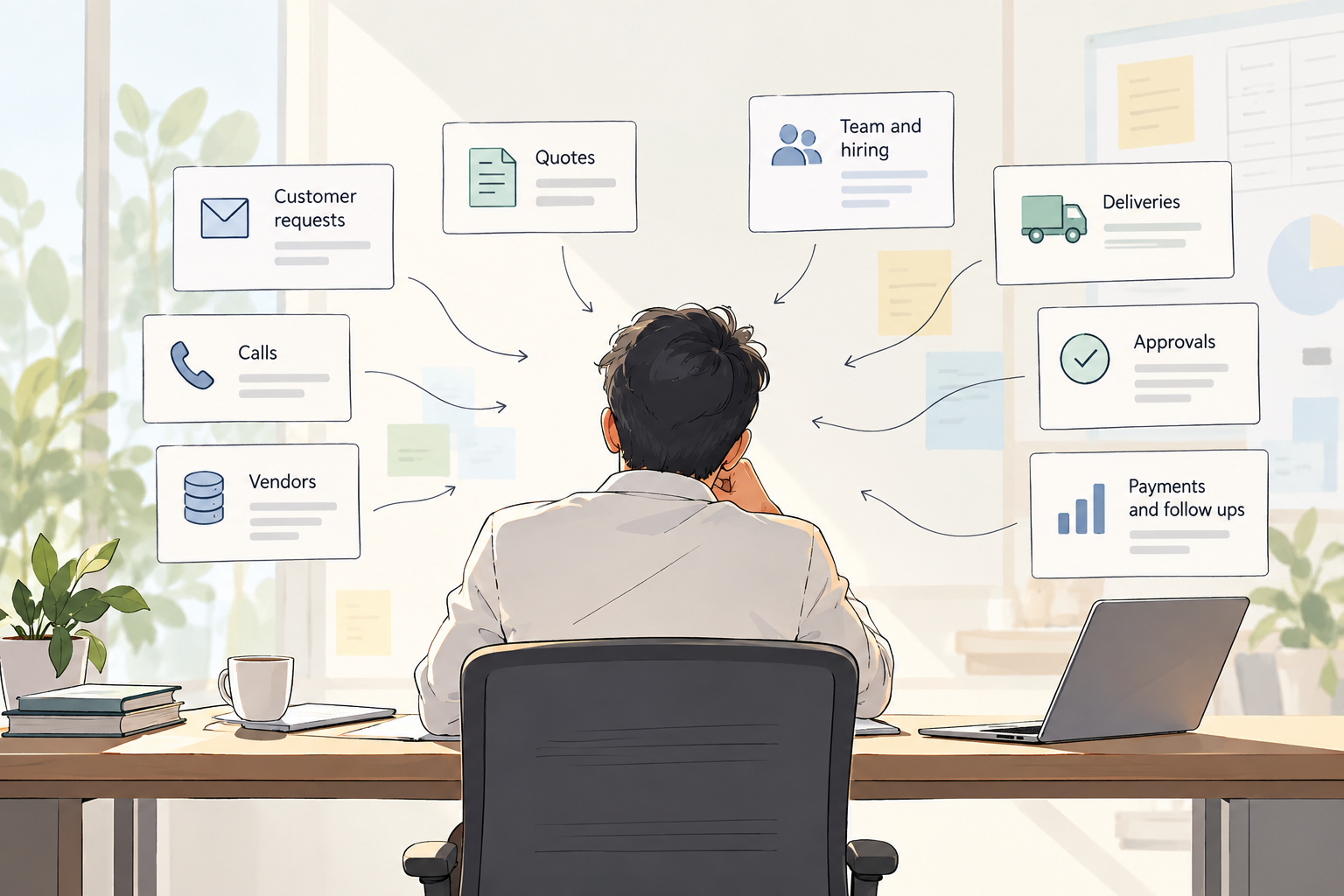
There are also times when my team is waiting for some input from me before they can move forward. So I have to look at more than just my own task list. There is the work I am doing, the work my team is waiting on, the client who needs an update, and the larger milestones we are working towards.
There will always be a mismatch between all these angles of the project and the tasks I am working on. I had to understand what was happening around the work and decide where my attention would have the most impact.
So how do I get better at this?
Its not always you have to do everything on your own and need to put all the efforts by yourself. There are a few things that I had followed which can help me in reducing that feeling of "too muchness" off my plate:
1. Look for what already exists.
Usually, when I work, I would think that I am the first one in the entire world solving for that problem or working on the task which is not true anyway. There will be SOPs, a standard process, an approach or even a discussion forum somewhere already been defined where I would have been a little lazy to dig on. But it would be better to research on those aspects first to avoid those trial and error and last minute approach changes and unnecessary iterations.
By doing this, I get to know what works and what doesn’t, what is available and what isn’t. And if I really am THE FIRST person to solve that problem, then I should document the process and share the knowledge. Maybe, sometime in the future another version of me will benefit from it.
2. Bring people in.
There were times when I hesitated to ask for help or clarification in my work. That was mostly because I would think, “What if this person gets a bad impression of me?” or “What if they think I don’t know anything?” and would frame me in that way.
I didn't realise that just because of the fear to handle that criticism, I was actually stopping myself from asking for help. Later, I realised that this was affecting my growth and also costing me a lot of time in completing tasks. I learnt to say that it's okay to picture yourself dumb at times if it helps you gain that knowledge or the resource you need.
I didn't always face this situation. There are also people ready to help me. All I need to do is ask.
"The bravest thing you can do in life is ask for help"
~ Tom Holland
3. Think about dependencies before starting.
One day, I was asked to give an estimate for a task. I said, “3 hours is all it takes.” I was asked to analyse it, put everything together, and come back with an exact breakdown. I did that and came back saying that I would need another grace hour. So, its 4 hours max.
But then I was told that I wasn't looking underneath the work. As I was questioned about related modules, I realised there was work that needed to be done in more than one place. And I also realised that I hadn’t considered the “What if it goes wrong?” part and the “else if” approach.
Later when I sat down to analyse, the actual estimate came up to 2 days. And that was something I identified after spending just two hours analysing it from my side. Of course, my teammates also needed to do their analysis from their side.
So, I would say that there are things that may look very straightforward, but we often forget the dependencies between them. These dependencies can be between people, processes or even within the work itself. Be aware.
4. Make the work visible along the way.
This is something most organisations already follow in some form, like a daily task log. I share my updates, schedules and the meetings I have for the day or week so that my team knows what I am working on and where things stand.
On the other hand, there have been days when a client calls and asks me for a status update or sends me a message asking where things stand. They might check on the work frequently and sometimes, in the middle of all of this I can lose track of the path I was following.
If I step back and look at it from their perspective, all I can see is a person who wants their work to be in progress and completed within the deadline. So, when I give them an update after consolidating everything and explaining where things stand, it gives them a feeling of “We are on the same page.”
5. Use tools
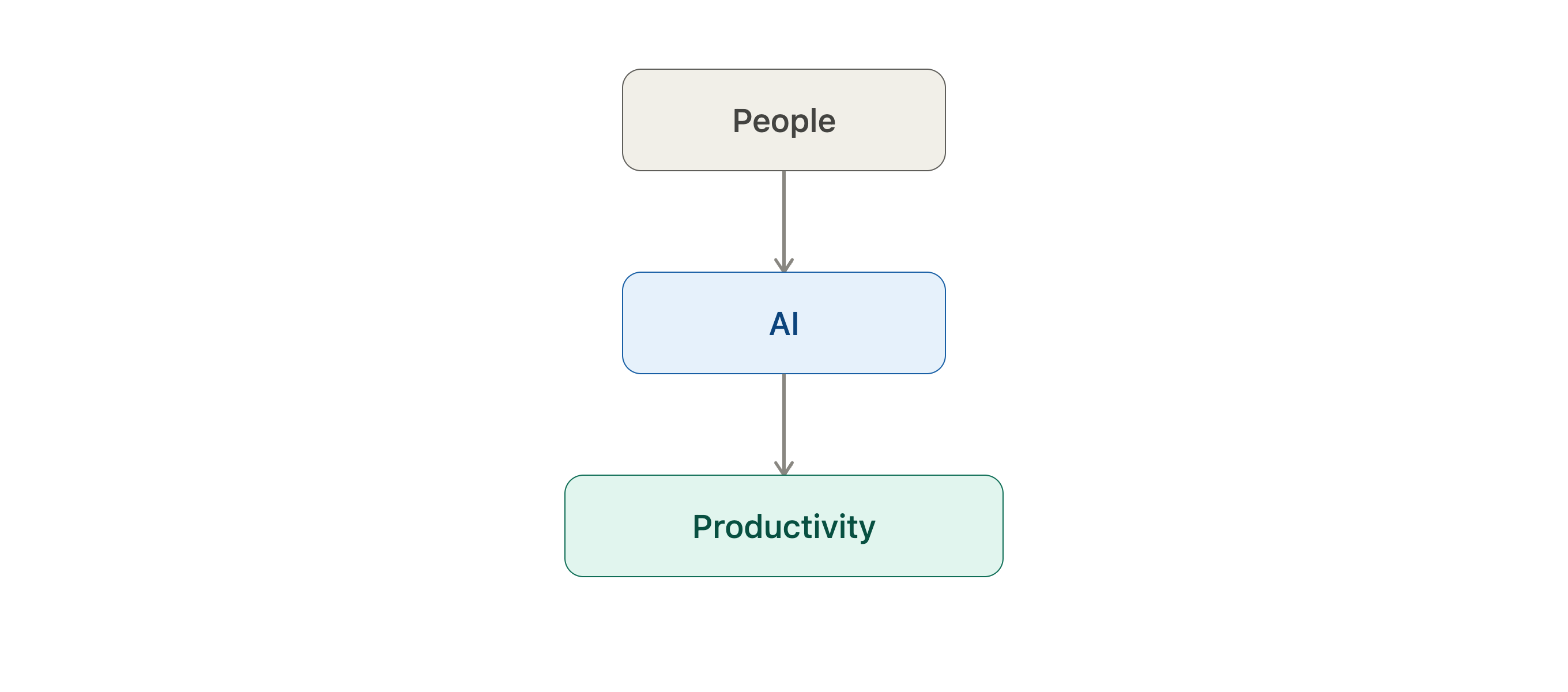
Of course, there are tools available that can make my work easy so that I can have more room to think. In my meetings, I would use an AI Notetaker to record them and later, can go through the transcript and summary, which helps me prepare the MOM and send it to the attendees. Similarly, I can use AI to clarify a process, analyse something, check flows, comparing different approach, writing scripts and also to code so it can save time. Sometimes, with tools like this, I can even do multitasking.
There are also times when I hear a new concept and I feel too shy to ask someone about it, I would ask AI to explain me like a 10 year old kid. --> It helps in this way too. You can learn with tools. You can reduce the amount of manual effort you put into certain things. You can create more room for yourself. The only thing is you need to know when to use them.
The shift
I needed that newbie phase (where I was mostly focused on getting the output), to eventually learn how to take control of the outcome. That experience shift taught me to analyse me and my work with an awareness of the situation and the importance of what I was working on.
Now, with every piece of work I take up, I know why I am doing it, what the steps are, what dependencies are involved and even why I might choose to skip or postpone something on a particular day. And with that understanding I won't feel like I am just completing a task that was assigned to me. I feel like I own the outcome.